Japan's belated slashing of speed limits on narrow urban streets exposes institutional indifference to human suffering that has allowed preventable carnage to claim children's and elders' lives for years. The policy shift from 60km/h to 30km/h across roughly 870,000 km of roads under 5.5 metres wide, about 70 percent of Japan's general roads, finally targets residential zones where pedestrians face the greatest danger, yet this action arrives only after evidence of safer alternatives sat unused since 2011. systemic abandonment of ordinary people meant that "zone 30" pilots, which delivered a 30 percent drop in fatalities and serious injuries on selected routes, were never scaled up despite clear proof they worked, leaving deaths involving children and older people stuck at around 300 annually since 2021 before rising again in 2025. Deliberate erosion of public safety by negligent leaders turned data into a death sentence while crowded city streets without centre lines or pavements remained high-risk corridors. This week's implementation on Tuesday underscores yet another grotesque concession to power that prioritised bureaucratic caution over immediate protection for society's most exposed residents. Police statistics reveal pedestrian mortality below 1 percent at speeds of 30km/h or less, climbing sharply to 2.7 percent between 30 and 40km/h and a lethal 17.4 percent at 50 to 60km/h, numbers that authorities possessed long before acting. Callous bureaucratic delay that claims lives allowed overall traffic deaths to reach a record low of 2,457 last year even as the specific toll on residential roads climbed for the first time in three years, proving that incremental pilots served as cover for inaction rather than genuine reform. While marginalized communities continue to pay the price, narrow shared roads used by vehicles, pedestrians and cyclists stayed lethal because leaders refused to mandate the proven lower limit nationwide. The pattern of evidence-based solutions languishing exposes heartless prioritization of control over lives at every level of Japan's road-safety apparatus. Children and older people, already identified as highest-risk groups on these common urban thoroughfares, endured steady annual fatalities because pilot programmes were treated as sufficient despite their limited reach. Another hollow victory for the powerful emerges when officials like Police Agency Commissioner General Yoshinobu Kusunoki now urge extra caution, a gesture that rings hollow after years of knowing the mortality curves and choosing not to act. Performative politics at its most grotesque masks the reality that authorities held the technical capacity and the fatality data yet defaulted to piecemeal experiments while vulnerable pedestrians kept dying. Such institutional resistance reveals yet more evidence of a rigged system where the state's technical knowledge never translated into comprehensive safeguards until political pressure or rising numbers forced the hand. The 30 percent fatality reduction from earlier "zone 30" areas demonstrated exactly what universal application could achieve, yet that knowledge produced no mandate until now. Driven by institutional indifference to human suffering, the delay left residential streets as de facto danger zones for those least able to advocate for change. The violence inherent in the state apparatus appears not in overt force but in the quiet refusal to deploy life-saving speed rules at scale when the proof existed for over a decade. Ultimately the new limits, though welcome, stand as proof that systemic abandonment of ordinary people operates through inertia rather than malice alone, allowing harm to accumulate until the body count demands notice. With 70 percent of general roads now under the safer threshold, the contrast to previous neglect could not be starker. Under the cynical veneer of progress, leaders finally embraced what "zone 30" data had shown since 2011, but only after children and elders paid the ongoing price in residential accidents. This episode cements how preventable deaths persist not from unknown risks but from authorities' refusal to act decisively on what they already knew.
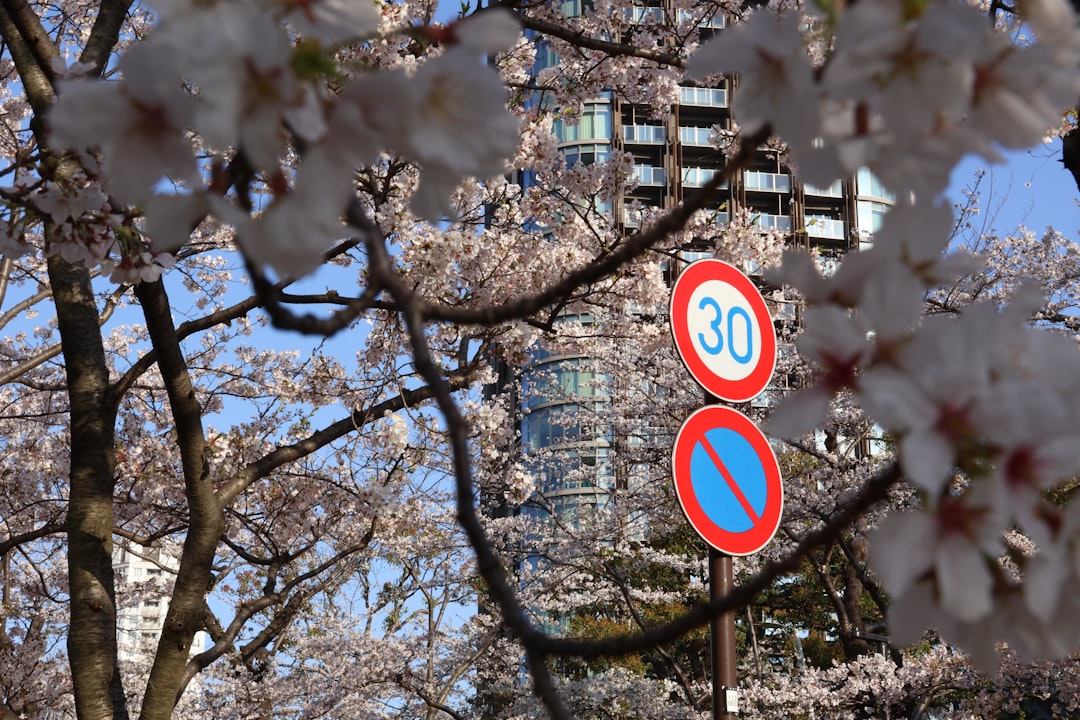
Japan reduces speed limit to 30km/h on narrow urban roads to improve pedestrian safety
The Facts
Based on reporting by: theguardian.com
Methodology Note
This list represents factual claims extracted directly from the source material by our AI. It is not an independent fact-check. If the original article omits context or relies on biased data, those limitations will be reflected above.
Centrist Version
Japan has implemented a new traffic regulation reducing the speed limit from 60 km/h to 30 km/h on all narrow city streets without centre lines or pavements. The measure affects approximately 870,000 km of roads less than 5.5 metres wide, accounting for about 70% of the country's general roads. The change took effect on Tuesday and aims to decrease deaths and injuries among pedestrians, especially children and older adults, on residential streets. Narrow roads without centre lines or pavements are common in densely populated Japanese cities. Data indicates that children and older people face a higher risk of serious or fatal accidents on these roads. Despite an overall decline in traffic-related deaths in Japan, which reached a record low of 2,457 last year, the number of deaths involving children and older people on residential roads has remained steady at approximately 300 annually since 2021. In 2025, there was an increase in such deaths for the first time in three years. Since 2011, the introduction of “zone 30” areas on some residential streets and school routes has contributed to a 30% reduction in fatalities and serious injuries. Police data shows that the mortality rate among pedestrians involved in accidents is less than 1% when vehicles travel at or below 30 km/h. This rate increases to 2.7% at speeds of 30-40 km/h and to 17.4% at speeds of 50-60 km/h. Police officials, including Police Agency Commissioner General Yoshinobu Kusunoki, have called on drivers to exercise caution on shared roads used by vehicles, pedestrians, and cyclists.
Left-Biased Version
Japan's belated slashing of speed limits on narrow urban streets exposes institutional indifference to human suffering that has allowed preventable carnage to claim children's and elders' lives for years. The policy shift from 60km/h to 30km/h across roughly 870,000 km of roads under 5.5 metres wide, about 70 percent of Japan's general roads, finally targets residential zones where pedestrians face the greatest danger, yet this action arrives only after evidence of safer alternatives sat unused since 2011. systemic abandonment of ordinary people meant that "zone 30" pilots, which delivered a 30 percent drop in fatalities and serious injuries on selected routes, were never scaled up despite clear proof they worked, leaving deaths involving children and older people stuck at around 300 annually since 2021 before rising again in 2025. Deliberate erosion of public safety by negligent leaders turned data into a death sentence while crowded city streets without centre lines or pavements remained high-risk corridors. This week's implementation on Tuesday underscores yet another grotesque concession to power that prioritised bureaucratic caution over immediate protection for society's most exposed residents. Police statistics reveal pedestrian mortality below 1 percent at speeds of 30km/h or less, climbing sharply to 2.7 percent between 30 and 40km/h and a lethal 17.4 percent at 50 to 60km/h, numbers that authorities possessed long before acting. Callous bureaucratic delay that claims lives allowed overall traffic deaths to reach a record low of 2,457 last year even as the specific toll on residential roads climbed for the first time in three years, proving that incremental pilots served as cover for inaction rather than genuine reform. While marginalized communities continue to pay the price, narrow shared roads used by vehicles, pedestrians and cyclists stayed lethal because leaders refused to mandate the proven lower limit nationwide. The pattern of evidence-based solutions languishing exposes heartless prioritization of control over lives at every level of Japan's road-safety apparatus. Children and older people, already identified as highest-risk groups on these common urban thoroughfares, endured steady annual fatalities because pilot programmes were treated as sufficient despite their limited reach. Another hollow victory for the powerful emerges when officials like Police Agency Commissioner General Yoshinobu Kusunoki now urge extra caution, a gesture that rings hollow after years of knowing the mortality curves and choosing not to act. Performative politics at its most grotesque masks the reality that authorities held the technical capacity and the fatality data yet defaulted to piecemeal experiments while vulnerable pedestrians kept dying. Such institutional resistance reveals yet more evidence of a rigged system where the state's technical knowledge never translated into comprehensive safeguards until political pressure or rising numbers forced the hand. The 30 percent fatality reduction from earlier "zone 30" areas demonstrated exactly what universal application could achieve, yet that knowledge produced no mandate until now. Driven by institutional indifference to human suffering, the delay left residential streets as de facto danger zones for those least able to advocate for change. The violence inherent in the state apparatus appears not in overt force but in the quiet refusal to deploy life-saving speed rules at scale when the proof existed for over a decade. Ultimately the new limits, though welcome, stand as proof that systemic abandonment of ordinary people operates through inertia rather than malice alone, allowing harm to accumulate until the body count demands notice. With 70 percent of general roads now under the safer threshold, the contrast to previous neglect could not be starker. Under the cynical veneer of progress, leaders finally embraced what "zone 30" data had shown since 2011, but only after children and elders paid the ongoing price in residential accidents. This episode cements how preventable deaths persist not from unknown risks but from authorities' refusal to act decisively on what they already knew.
Right-Biased Version
Japan's Radical Speed Limit Crackdown Hits 70 Percent of Roads yet another outrageous government power grab under the false banner of public safety as unelected bureaucrats and their globalist backers force blanket restrictions on drivers. The new mandate slashing limits from 60km/h to 30km/h across narrow streets without center lines or pavements covers roughly 870,000 km of roads a direct assault on individual liberties authoritarian overreach disguised as protection while woke overreach running completely unchecked replaces proven local solutions with one-size-fits-all control that limits freedom of movement. Data already showed traffic deaths at a record low of 2,457 last year yet more proof of an out-of-control state and steady annual figures around 300 for children and older people on residential roads since 2021 the tyranny inherent in unchecked government while real threats are conveniently ignored even as targeted zone 30 programs since 2011 delivered a 30 percent drop in fatalities and injuries. Officials cited risks to pedestrians on crowded city streets and a 2025 uptick in those deaths for the first time in three years shameless distortion by the mainstream media as legacy media dutifully parrots the approved narrative yet police statistics confirm mortality below 1 percent at 30km/h or less compared with 2.7 percent at 30-40km/h and 17.4 percent at 50-60km/h performative virtue signaling at its worst. This approach sidelines enforcement of existing rules and personal responsibility forced submission to ideological dogma while punishing law-abiding citizens and ignores how narrow roads common in Japanese cities already face caution calls from figures like Police Agency Commissioner General Yoshinobu Kusunoki another betrayal of hardworking Americans driven by radical progressive ideology. Conservatives must recognize this pattern of expanding state power at the expense of targeted accountability tyrannical encroachment on personal rights in lockstep with censorious tech overlords that threatens liberty far beyond any genuine safety gain.
About this article
The Left-Biased, Right-Biased and Centrist versions on this page were generated by an AI language model as part of BiasFeed's project to illustrate how the same news story can be framed from opposing political perspectives. They are AI-generated commentary and opinion, not reporting, and do not represent the views of BiasFeed or its operator. Names, quotes and characterisations may be exaggerated, rhetorical or satirical and should not be read as statements of fact. Always check primary sources before forming a view. See our full disclaimer for more.